
⛽️New Chapter 11 Bankruptcy Filing - Axip Energy Services LP⛽️
Oil and gas compression provider files chapter 11 to pursue stalking-horse sale

On February 22, 2026, privately-held and Houston-based Axip Energy Services LP (“Axip”), debtor topco E3 Compression Holdings LLC (“E3 Holdings”), and five affiliates (collectively, together with Axip and E3 Holdings, the “debtors” and along with non-debtor affiliates, the “company”) filed chapter 11 bankruptcy sale cases in the Southern District of Texas (Judge Lopez). The debtors provide natural gas contract compression services in the Permian Basin and other “low breakeven unconventional shale plays,” servicing “…super majors, investment grade upstream producers, and midstream companies….” More importantly they, like Nine Energy Services Inc. ($NINE) earlier this month, provide us with ‘16 vibes. Someone tee up The Chainsmokers!
Although we couldn’t disagree more strongly with the song’s “We ain’t ever gettin’ older” vibe — Johnny feels old as sh*t.
Anyway. After having been founded in ‘02 as Valerus Compression Services LP, the company rebranded as Axip in ‘14 before being acquired by PE-co. Energy Spectrum Capital LP (“Energy Spectrum”) in September ‘22.
We’d like to say that Energy Spectrum had a breakthrough play in the field … but we’d be lying out of our a$$ses. You see, the company gins up revenue by contracting to provide compression services, which at times leaves compression units unused and sitting idle in the geographical areas it services.
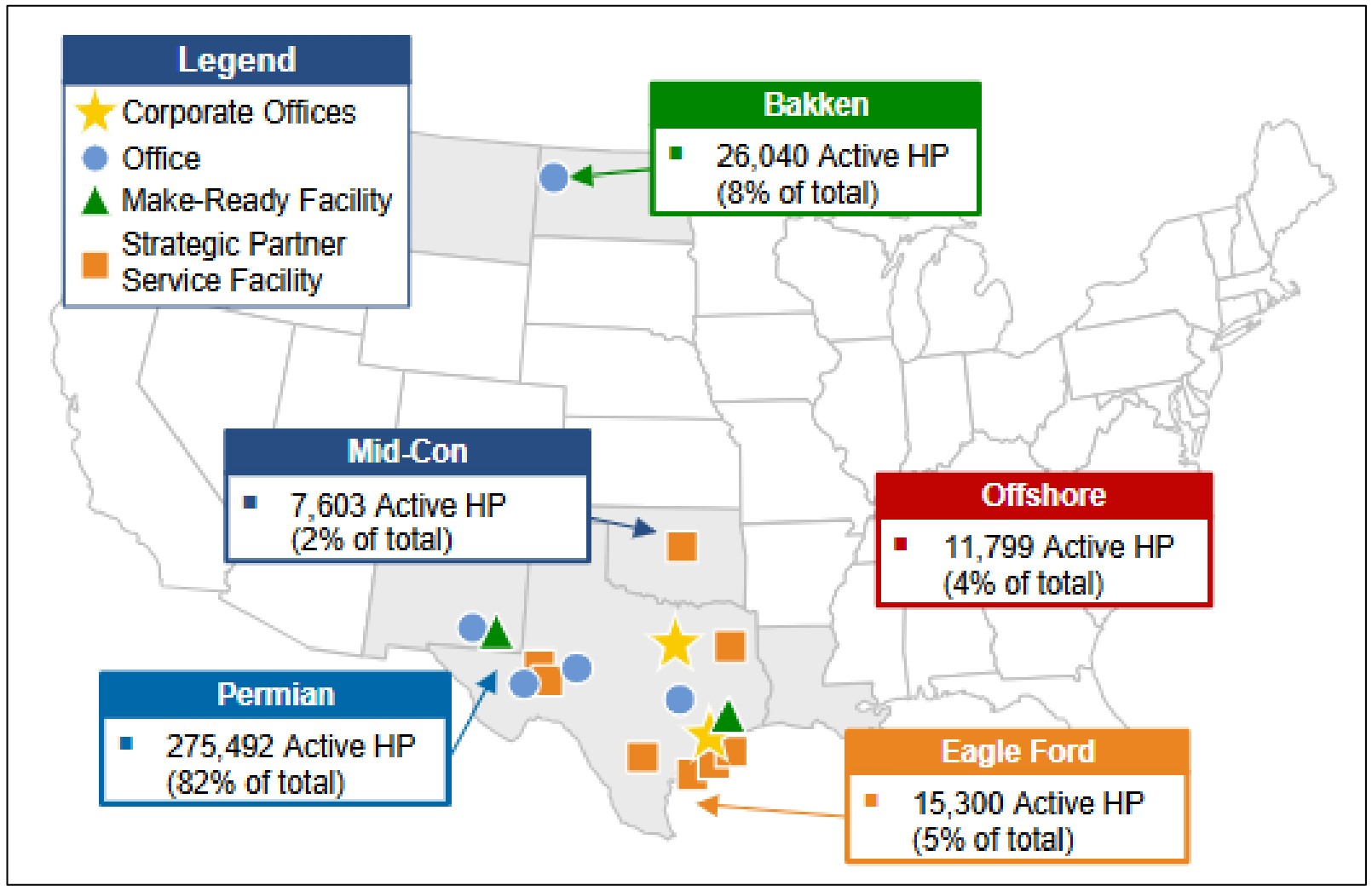
Energy Spectrum’s big idea? The “… growth opportunity …”? For the debtors to “… (a) renew[] their focus on contracting for compression services that utilize idle compression units; (b) fill[] gaps in the market for compression services that utilize large, high-[horsepower (‘HP’)] compression units and electric compression units; and (c) optimiz[e] operations.”
No doubt someone — with a straight face — pitched it like this:

It was not, but regardless, a year later, in December ‘23, the debtors purchased ten new units “… to fulfill compression services contracts with an intended customer, as the Debtors do not make speculative equipment purchases.”
LOL, we love that line from Ankura Consulting Group, LLC’s Ben Chesters’ first day dec because, as it turns out, debtors …

They just didn’t know it. Back to Mr. Chesters:
“As the Debtors were undertaking their growth initiatives, including by committing capital to new-build equipment, a major offshore drilling customer doing business in the Gulf of Mexico encountered its own financial difficulties and unexpectedly filed chapter 11 cases in the Southern District of Texas, resulting in a liquidation and ultimate conversion to cases under chapter 7 of the Bankruptcy Code.”
Um, what’s with the lack of specificity, Ben? It’s not like you’re protecting a state secret:
Here was the MLCJR damage:
“As a result of the sale of certain parts of that customer’s business and abandonment of other assets, more than 15% of the Debtors’ total available HP across 24 compression units was left stranded in the Gulf of Mexico, unable to generate anticipated revenue. This unexpected and profound loss in the first quarter of 2024 not only cost the Debtors millions in EBITDA, but required significant and unexpected legal spend to address related issues. Moreover, because the Debtors’ compression units were not returned—a multi-million dollar expense that would normally be borne by the customer—the compression units could not be economically redeployed in other compression services contracts. The Debtors were able to sell a subset of these compression units and the rest remain idle in the Gulf of Mexico.”
There were other sources of loss too. Around then, other customers changed their business plans and returned units, itself having an “… additional and unanticipated reduction in EBITDA.” While, in theory, those ones could at least be redeployed, the company ran into an issue: ~25% of its fleet are electric compression units, which are powered by the grid instead of by “… siphoning off a small part of the natural gas that is abundantly available at the well to drive the engine.”
Naturally, driven by “… the increasing climate-related goals of its customers[.]”

Let’s pause there for a second. We’re talking about the “increasing climate-related goals” … of the fossil-fuel industry, right?